Type
My Role
Sole Designer: research, UX, prototyping, visual design, design system, 3D & animation
Timeline
Aug 2023 – Jun 2024
Skills
User research
UX/UI
3D rendering
Design system


00 — Project Background
A comment section that became a thesis
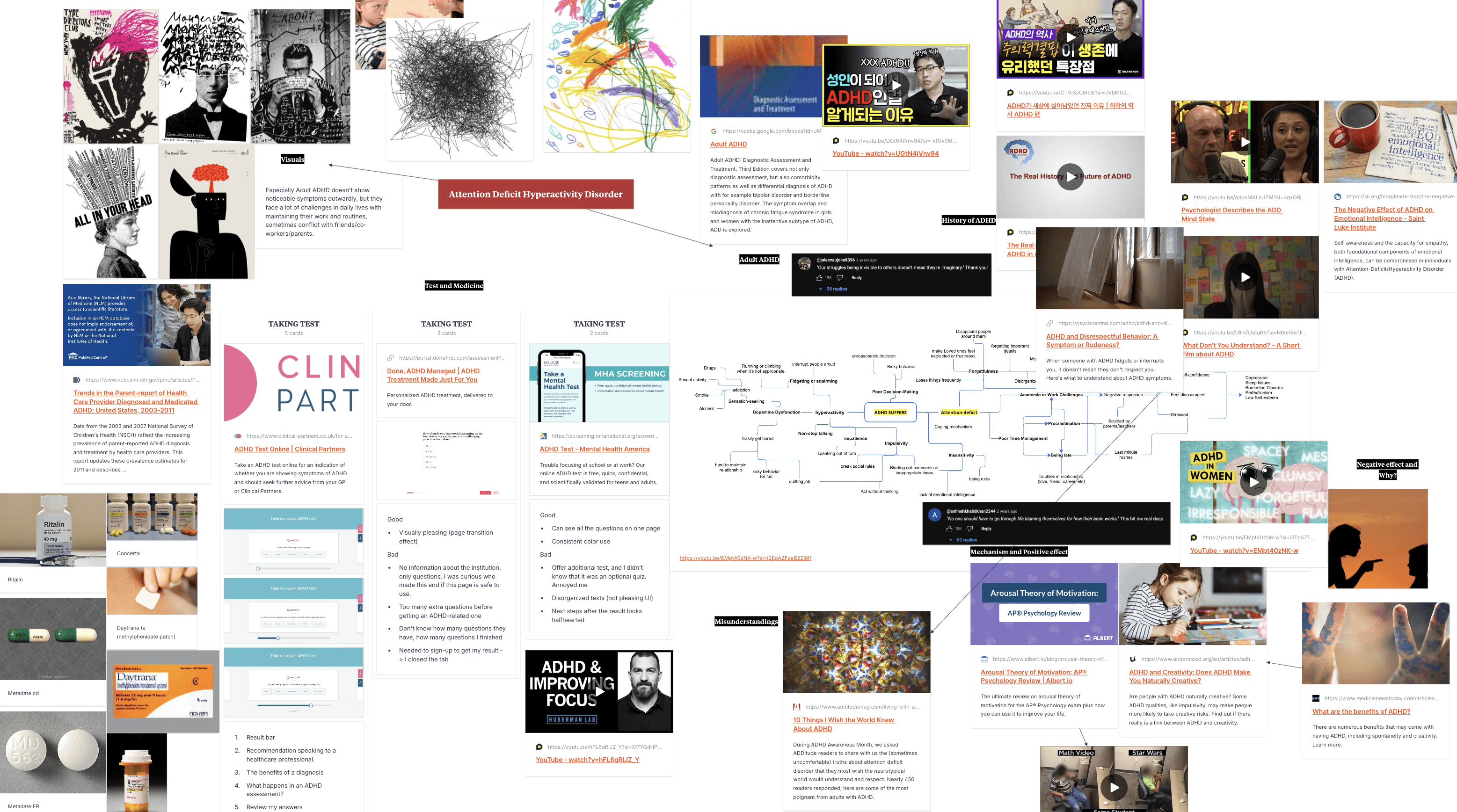
It started in a YouTube comment section. While watching a video about ADHD, I scrolled through replies from people describing a lifetime of being told they were lazy, irresponsible, and not trying hard enough, often without ever receiving a diagnosis.
As someone with ADHD myself, the pattern was familiar: not failure of effort, but failure of feedback.

01 — Problem
Why am I always so lazy?
Not a productivity problem. A reward problem.
Adults with ADHD face a measurably worse set of outcomes than the general population, not because they're incapable, but because the structures they're expected to thrive within were not built for how their brains process motivation and reward.

Academic Gap
Only 15% hold a four-year degree
Compared to 48% of the general population. It's not a talent gap, but it's a system gap.
Mental Health
3× more likely to experience depression
The chronic failure loop. Try, fail, blame yourself, repeat -> compounds over time into clinical outcomes.
Root Cause
Dopamine imbalance, not discipline failure
ADHD involves impaired dopamine regulation, making standard task completion feel unrewarding, not satisfying.
Tool Failure
Existing apps don't close the feedback loop
Generic productivity tools treat all users identically. For ADHD users, the absence of immediate, meaningful reward makes them actively demotivating.
The product problem, stated precisely: no existing planning tool provides rewarding or motivating feedback tailored to how individuals with ADHD actually process motivation.
This isn't a niche edge case. It's the defining gap that makes every other productivity tool ineffective for this population.
02 — Goals & Constraints
What success looks like, and what limits it
Product Goals
Constraints
No clinical oversight: the product is not a medical tool; design decisions had to stay on the motivational/behavioral side without making clinical claims
03 — Research & Insights
Triangulating the problem from multiple angles.
Method
User survey (n=110)
User survey (n=11) - Focus group
Literature Review
Stream 1 — Public Survey (n=110)
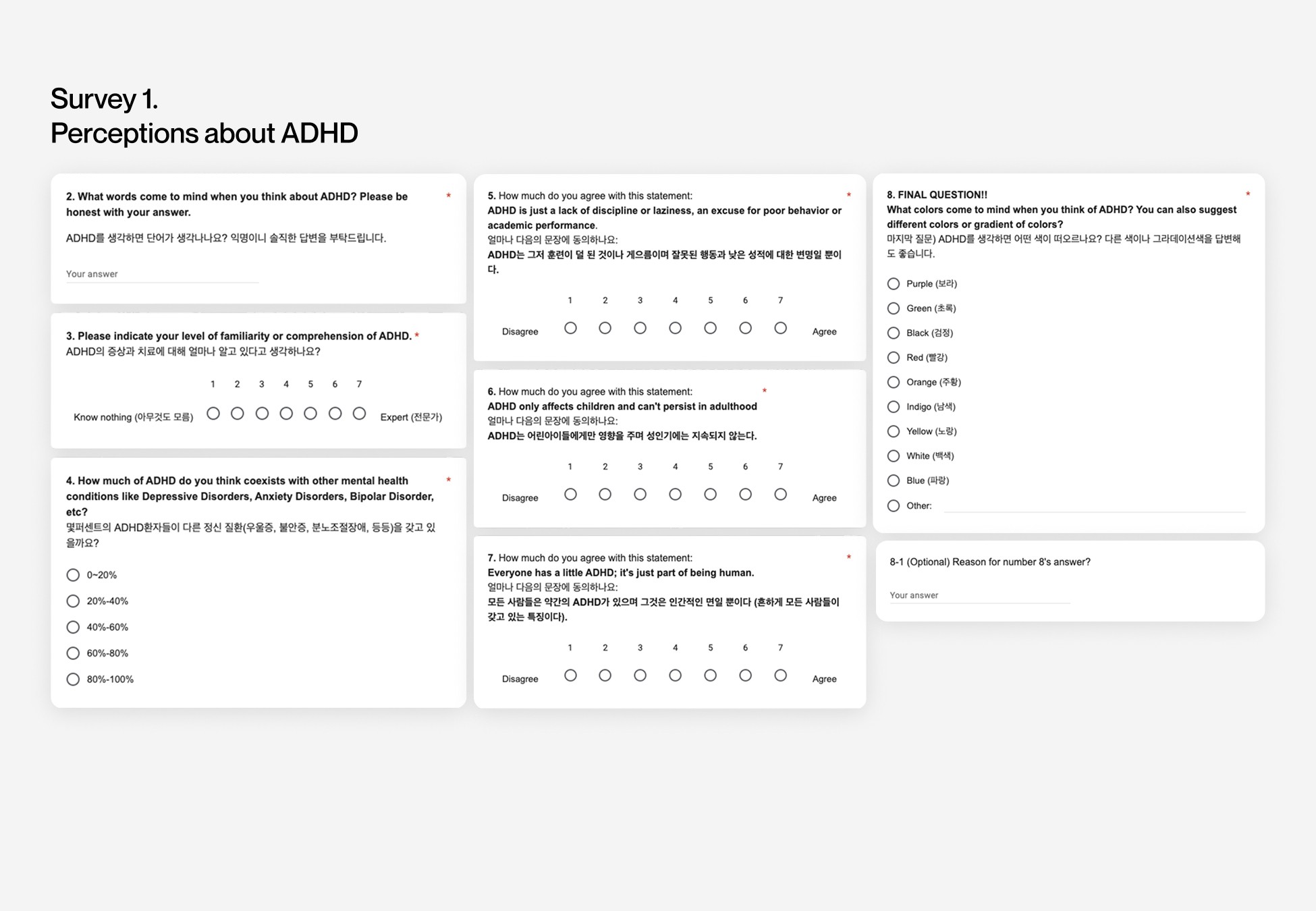
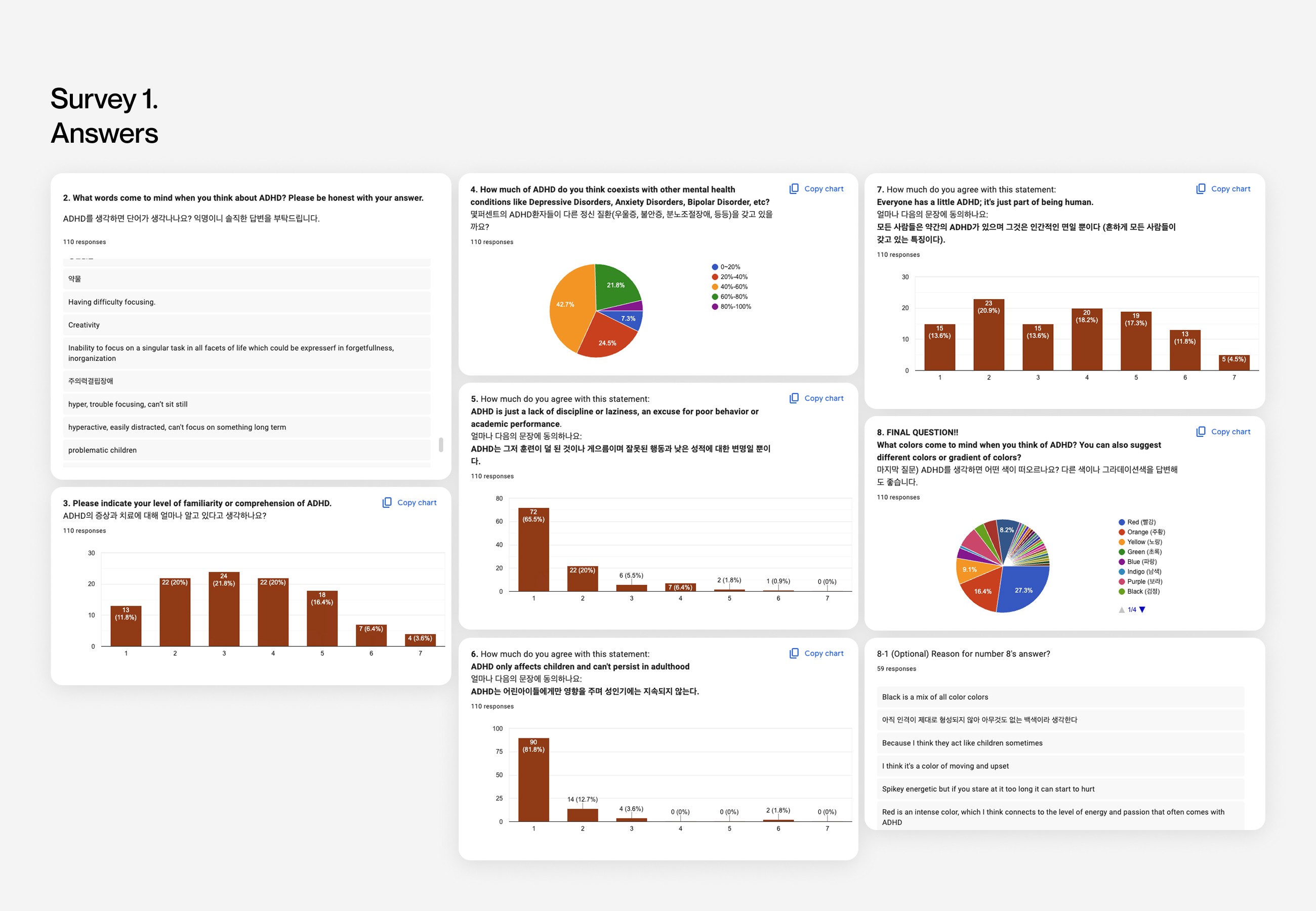
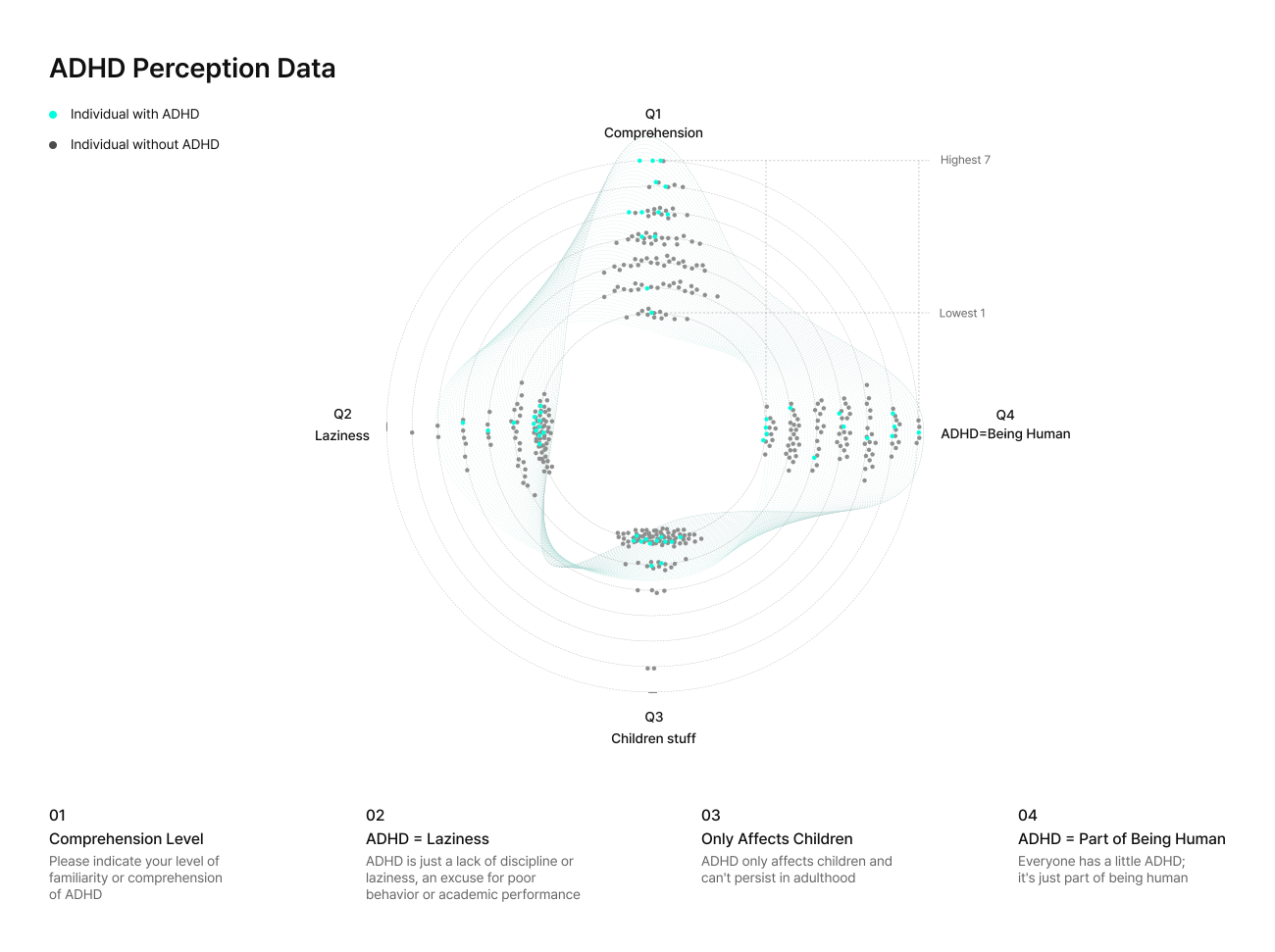
Surveyed 110 participants ages 18–50, including 97 non-diagnosed and 13 diagnosed individuals.
Goal: measure how ADHD is perceived socially, and whether stigma was shaping the way people sought (or avoided) support.
Key Finding
A significant portion of respondents equated ADHD with "just being human", associating it with laziness or lack of discipline rather than a neurological condition. This misperception is directly linked to delayed diagnosis, internalized shame, and avoidance of support tools that could be effective.
Stream 2 — ADHD-Specific Survey (n=11)
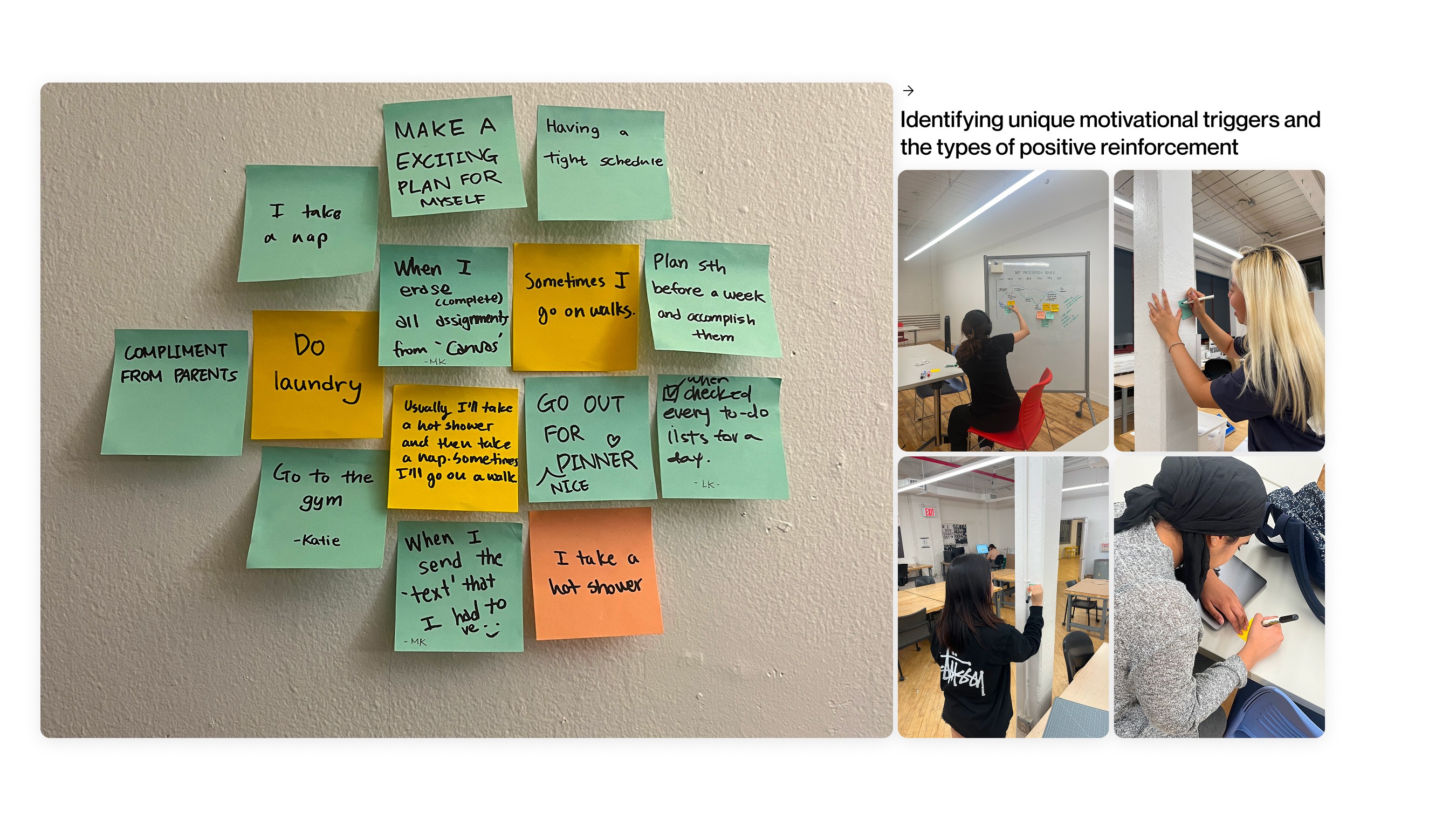
Surveyed 11 students with ADHD specifically on sources of motivation and challenge. After filtering out areas where participants felt confident in their execution, one pattern emerged with clarity.
Direct quote
"No existing planning tool effectively provides rewarding or motivating feedback tailored to individuals with ADHD."
Stream 3 — Literature Review
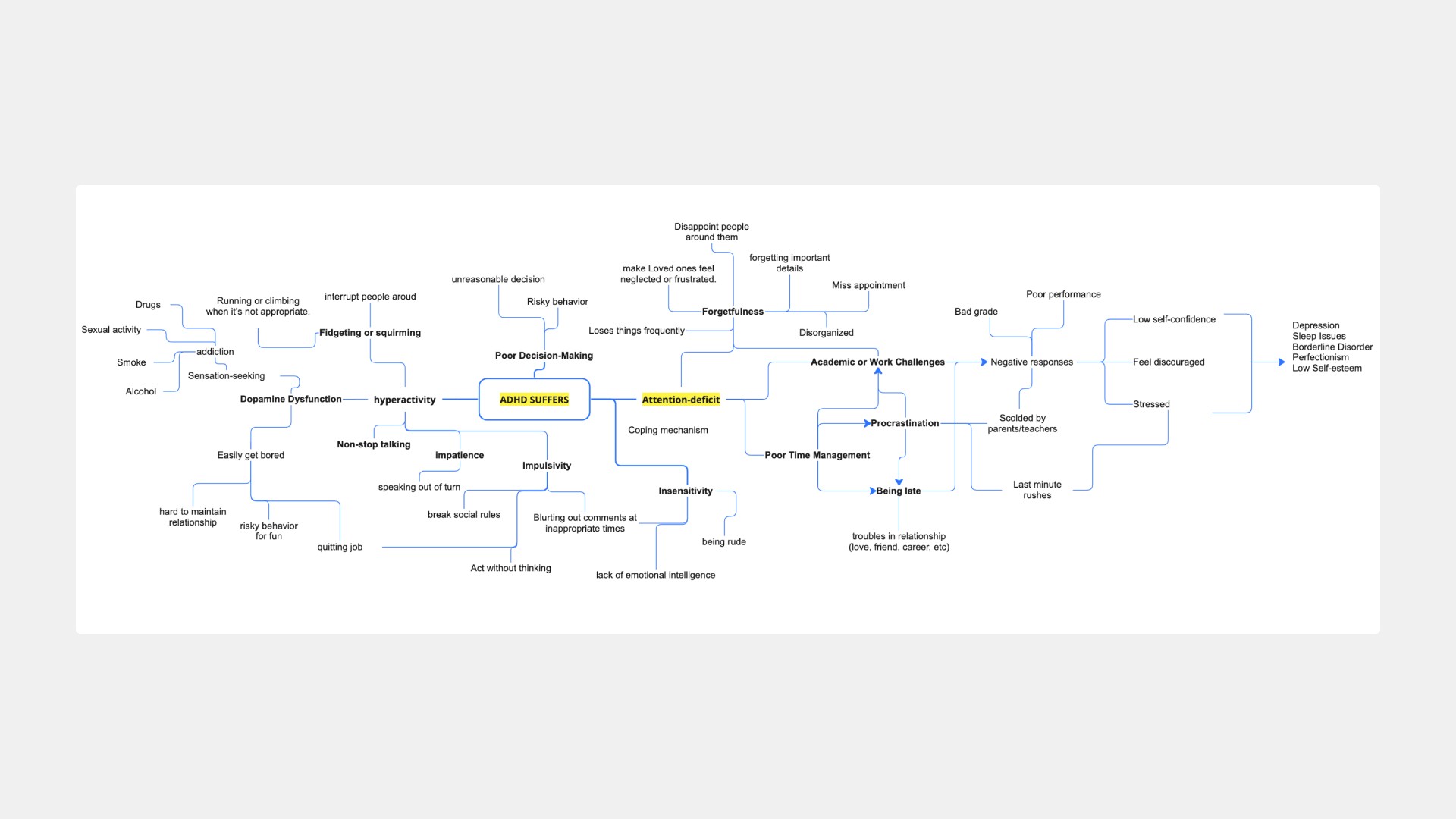
Reviewed research on ADHD neurology and existing behavioral intervention models. Three brain-level dynamics directly informed the design direction:
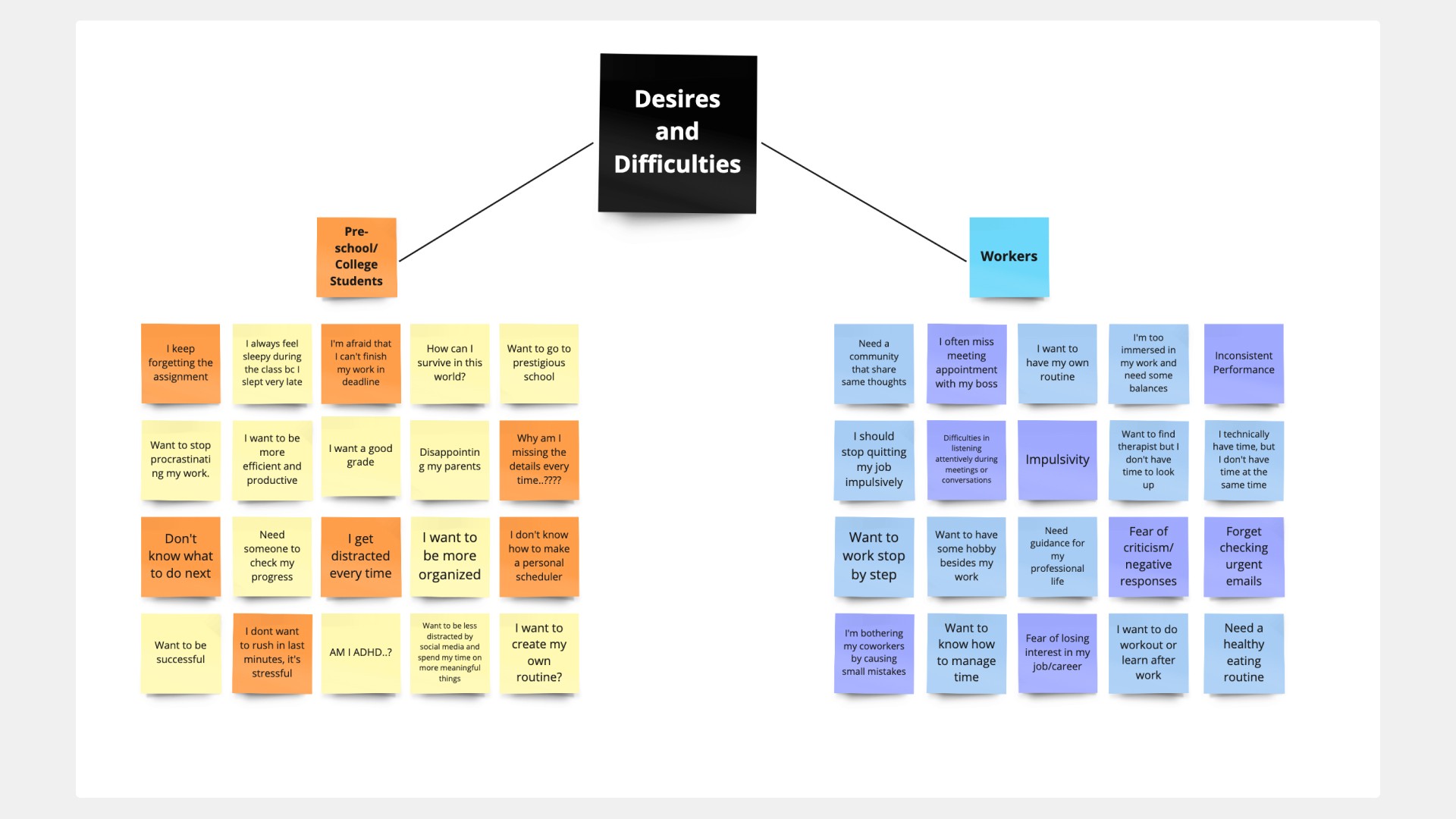
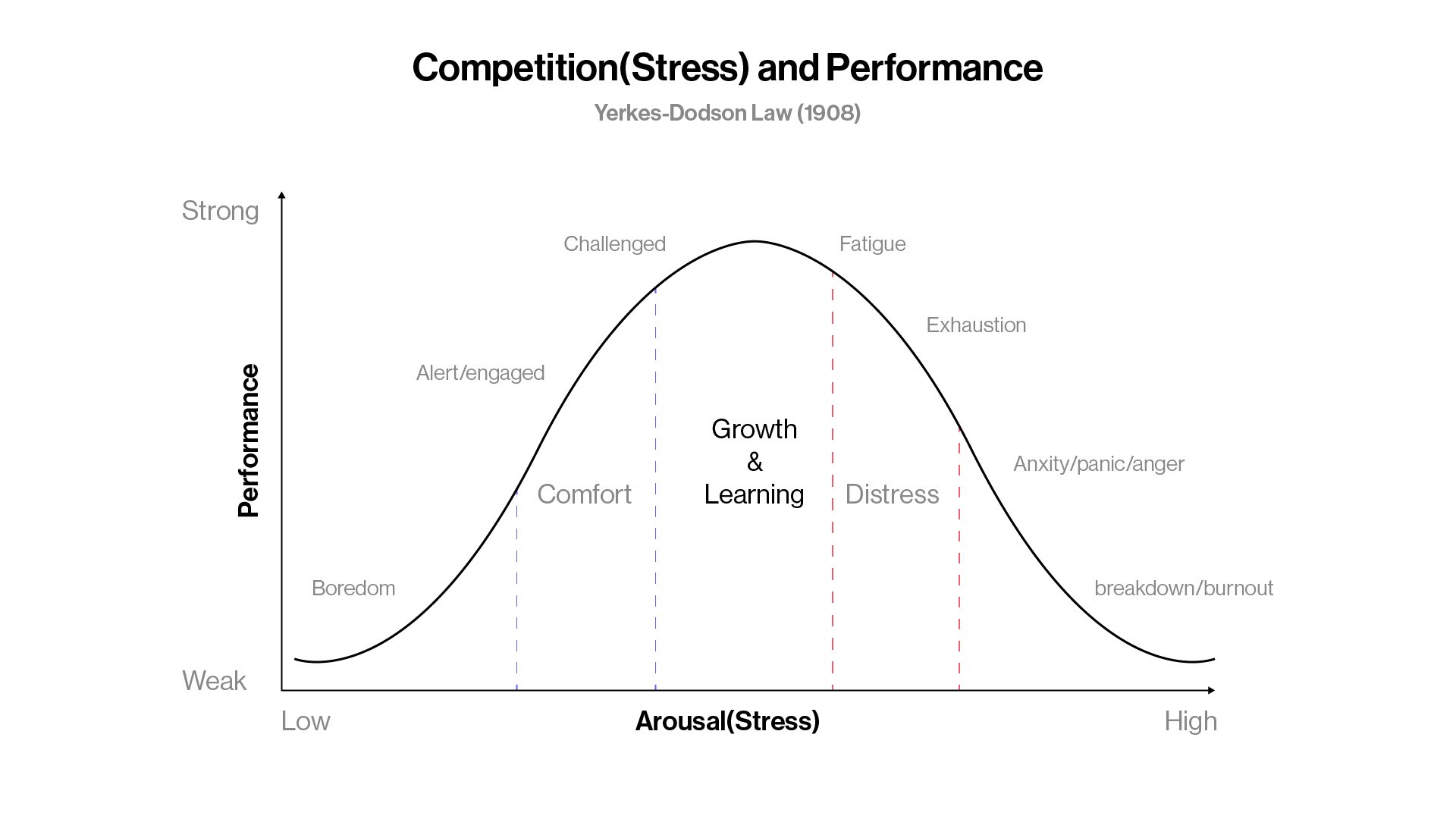
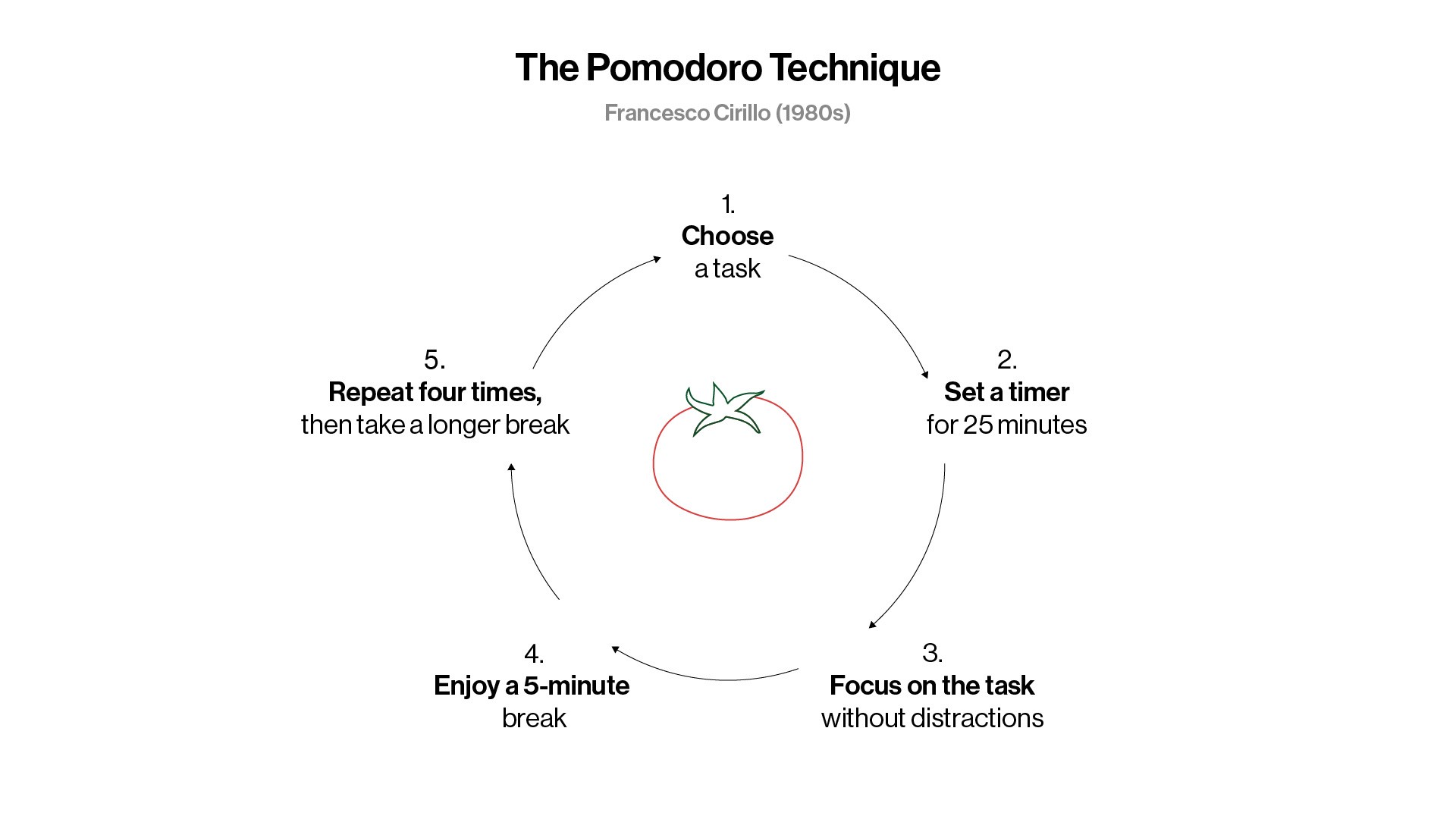
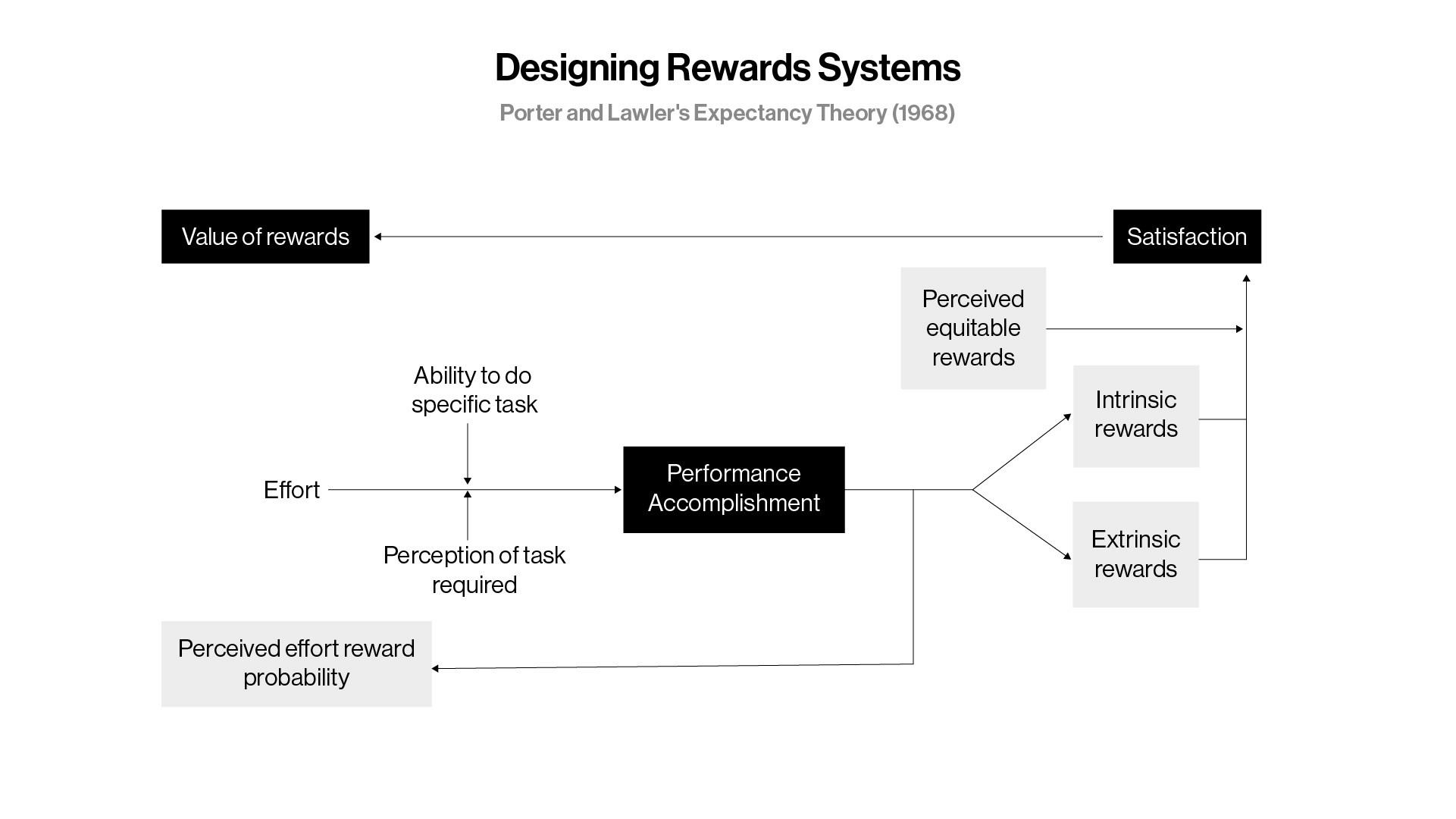
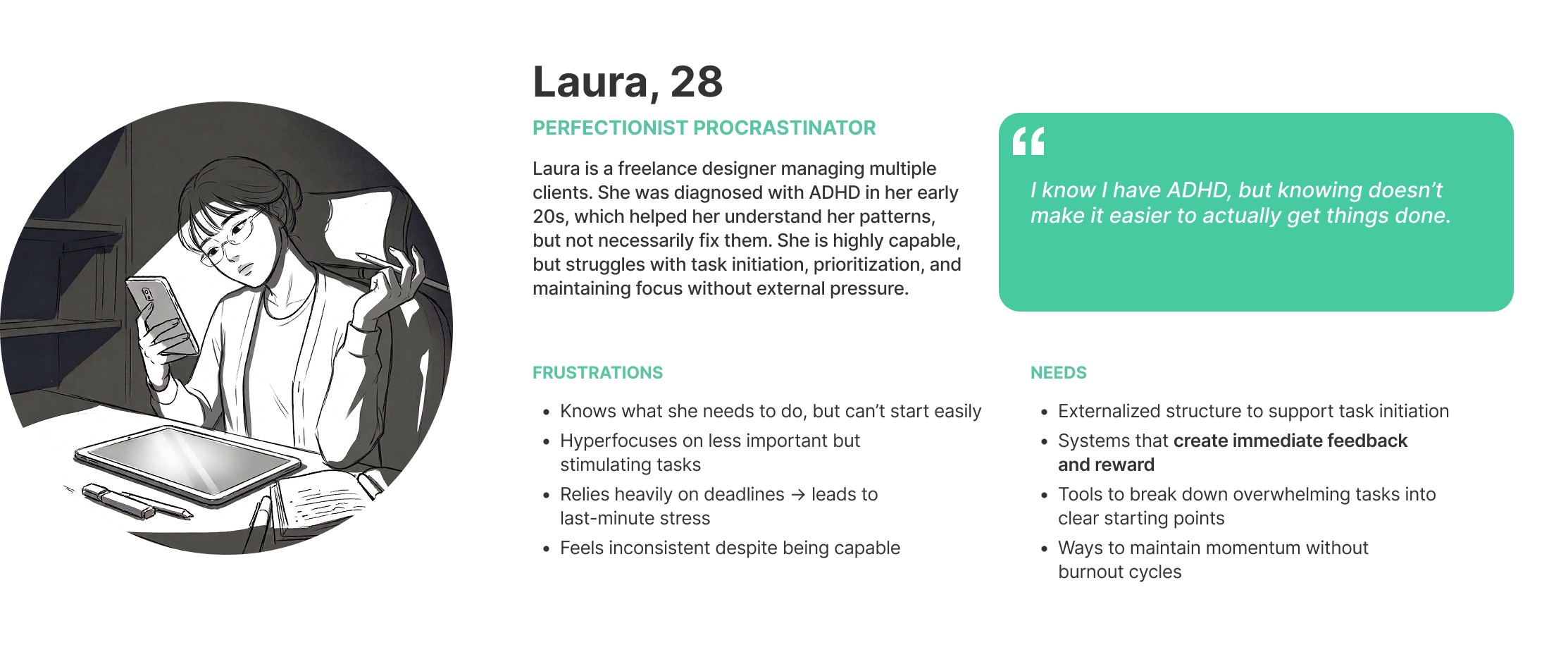
Who will be our user?
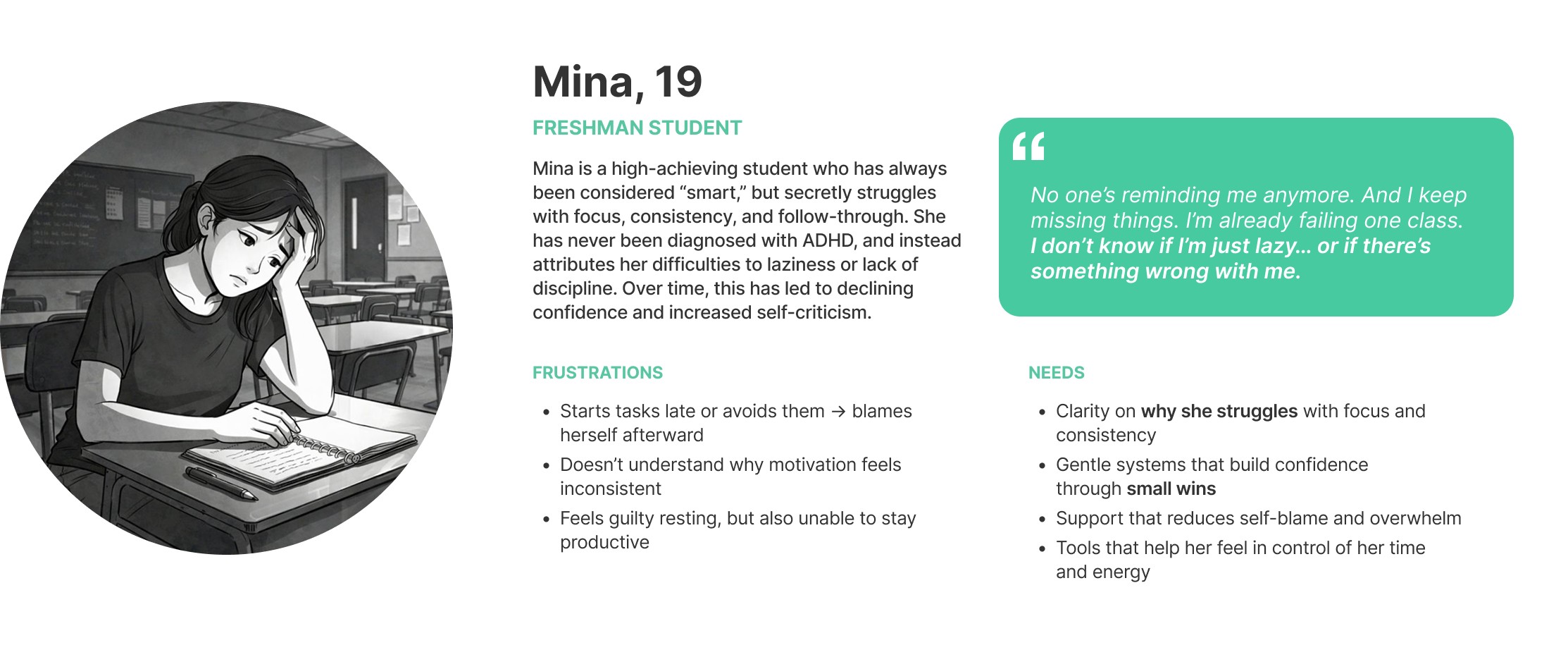
Persona
Users like Laura are not lacking ability, but struggle with initiating and sustaining action when tasks feel overwhelming or unrewarding.
05 — Solution
Three interlocking systems, one coherent experience
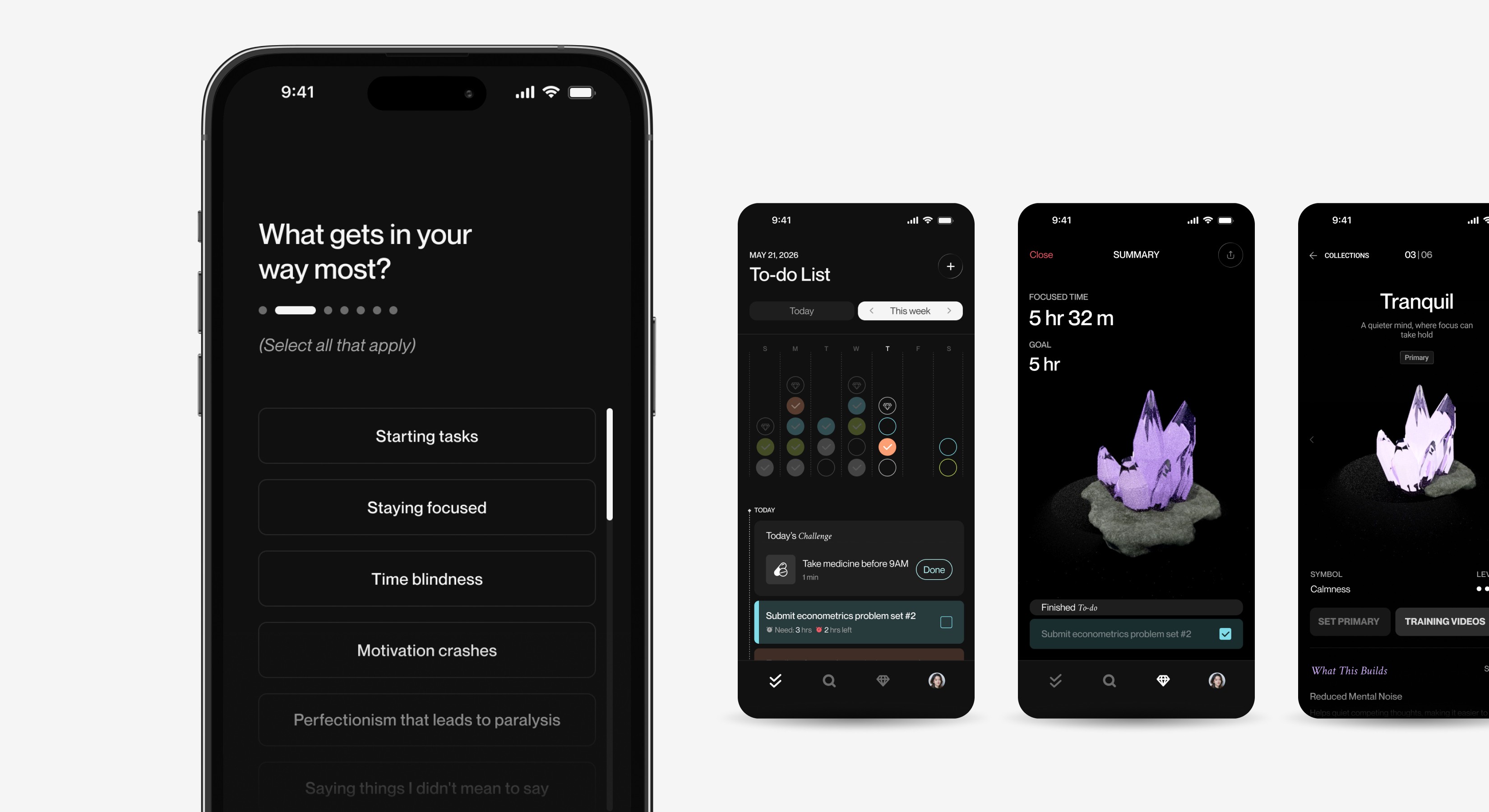
GEMI is a mobile productivity app structured around a single promise: your effort is real, it accumulates, and it shows. Three core systems work together to deliver that promise.
Personalized gemstone
Most apps treat everyone the same. GEMI starts by actually listening. Your pain points, your patterns, your version of a win. What comes out is a gemstone that's yours to craft.
To-Do & Progress Tracking
The list of things undone has a way of drowning out everything that got done. GEMI flips that. Your gemstone growing is the progress report that actually means something.
Enter Cave: Social Focus Mode
A collaborative deep-work environment built around body doubling, which is one of the most evidence-backed ADHD coping strategies.
Make Your Gemstone Shine
A collection of earned gemstones that serves as a visual record of success, replacing the "feeling of failure" with a "feeling of pride."
Reflection
What I learned and
what I'd do differently
Emotional safety is a design material. The most effective decisions I made weren't visual, but structural: no streak penalties, opt-in social features, additive-only progress. The feeling of being supported by an app is as designable as its layout.